Should you replace your roof before installing solar?
Quick answer: If your roof is older, damaged or nearing the end of its lifespan, replacing it before installing solar may save time, prevent future removal costs and make the project easier to manage long term.
One of the most common questions homeowners ask before going solar is whether they should replace their roof first.
The answer depends on your roof’s condition, age and expected remaining lifespan.
If your roof is in good shape, solar may be installed without replacing it. But if the roof is already showing signs of wear, combining roof replacement and solar can make more sense than installing panels now and removing them later for roof work.
How to know if you should replace your roof first
Your roof does not need to be brand new for solar to make sense, but it should be strong enough to support a long-term solar installation.
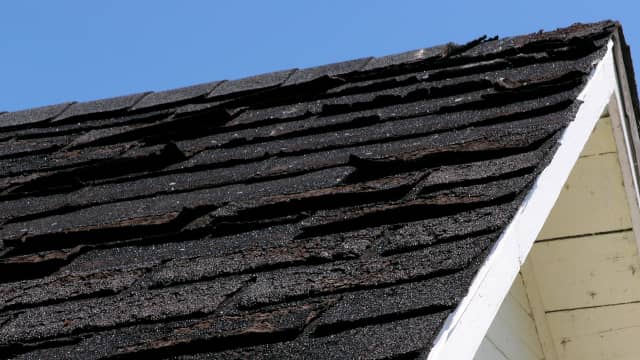
You may want to replace your roof before solar if:
1. Your roof is more than 20 years old.
2. You have missing, curling or damaged shingles.
3. You have had multiple roof repairs.
4. There are signs of leaks, soft spots or water damage.
5. You are planning to install solar within the next few years.
6. Your roof may not last as long as the solar panels.
A roof evaluation can help determine whether your current roof is ready for solar or whether roof replacement should happen first.
1. You can avoid paying to remove solar later
Solar panels are designed to stay on your roof for decades.
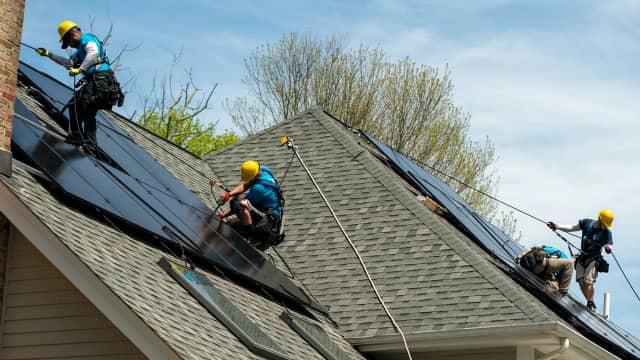
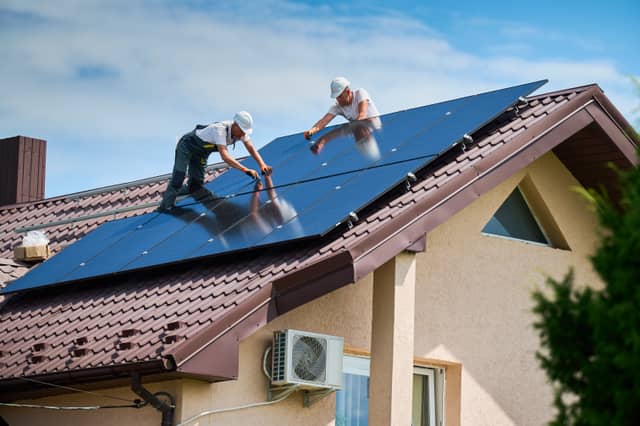
If your roof needs replacement a few years after solar is installed, the panels usually need to be removed and reinstalled so the roof work can be completed.
That can add cost, coordination and downtime to a project that may have been avoided by addressing the roof first.
Replacing an aging roof before solar helps reduce the chance that you will need to disturb the solar system later for roof work.
2. Your roof and solar system can be planned together
Roofing and solar are often treated like separate projects, but they affect each other.
Your roof supports the solar system. Your solar design depends on the roof layout, usable space, orientation and condition. Planning both together can create a cleaner long-term project.
| Roof first | Solar first on an aging roof |
|---|---|
| One coordinated plan | Possible future panel removal |
| Roof ready for solar attachments | Existing roof limitations remain |
| Cleaner long-term timeline | More contractor coordination later |
| Lower chance of near-term roof disruption | Roof replacement may still be needed soon |
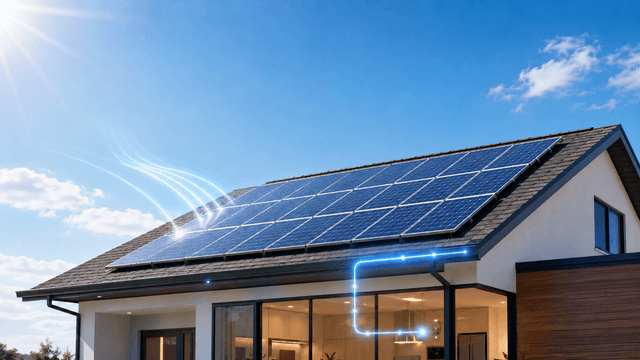
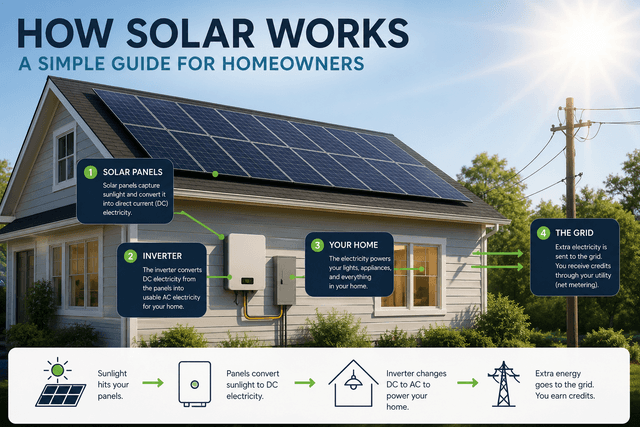
If you are still learning how solar systems are installed and connected, our guide on how solar works explains the basics.
3. Solar attachments need strong waterproofing
Solar panels are mounted to the roof using approved racking and attachment methods. That means waterproofing matters.
When a roof is already worn, damaged or near the end of its life, installing solar can make future roof work more complicated.
A newer, properly installed roof gives solar crews a stronger foundation to work with and helps reduce the risk of roof-related issues later.
Important: The goal is not just putting panels on a roof. The goal is installing solar on a roof that is ready to support a long-term energy system.
4. You can simplify the project timeline
Managing roof replacement and solar separately can mean two timelines, two crews and two rounds of scheduling.
When the roof and solar project are planned together, the process can be easier to coordinate.
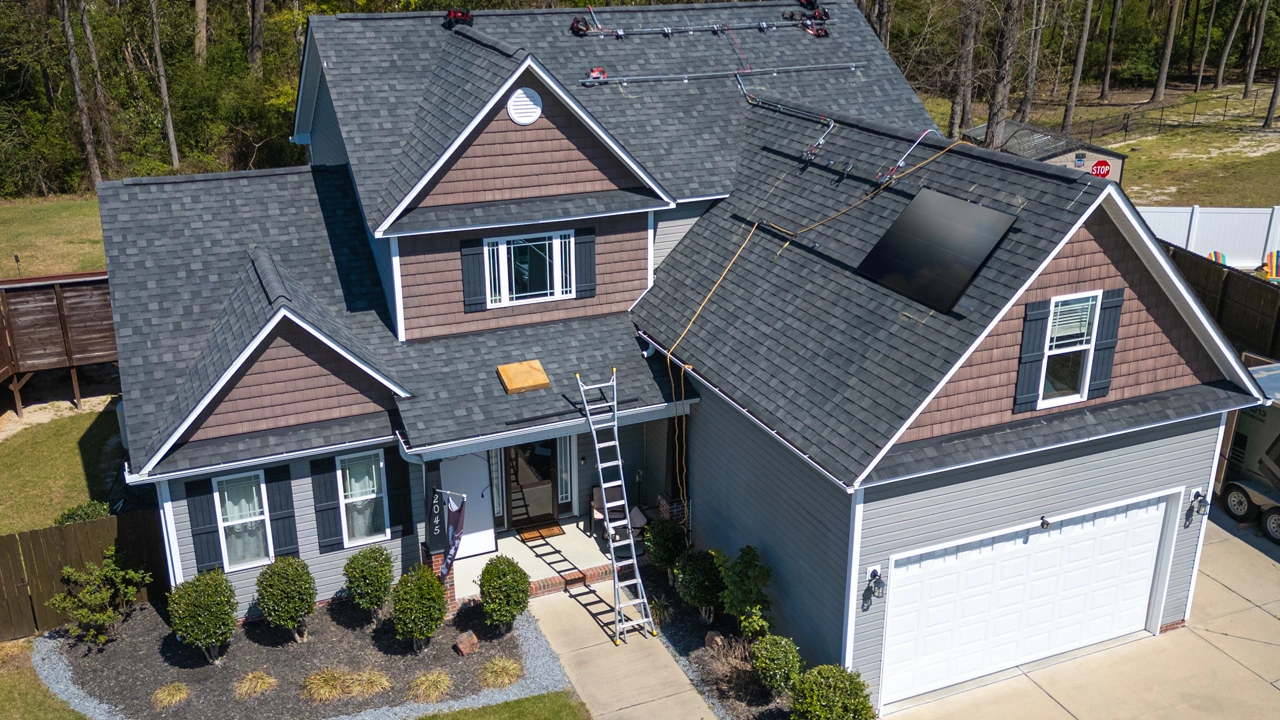
A coordinated roof and solar project may look like this:
1. Roof condition is reviewed.
2. Roof replacement is planned if needed.
3. Solar design is built around the new roof.
4. Installation steps are scheduled in order.
5. Final approvals and activation follow the completed work.
If you want to understand the broader solar timeline, our guide on whether going solar is complicated explains what homeowners can expect from consultation to activation.
5. You can align the lifespan of the roof and solar panels
Roofing and solar are both long-term investments.
Many asphalt shingle roofs last 20 to 30 years depending on materials, installation, weather and maintenance. Solar panels are also designed to operate for decades.
If your current roof only has a few years of life left, installing solar first may create a mismatch. The panels may still be performing well when the roof needs to be replaced.
Replacing the roof before solar can help align both investments so they work together over the long term.
6. One company can reduce finger-pointing
When one company handles the roof and another handles the solar installation, responsibility can become complicated if an issue appears later.
For example, if a leak develops, one contractor may point to the roof while the other points to the solar installation.
That is frustrating for homeowners because the roof still needs to be fixed.
Working with one company for both roofing and solar can simplify accountability and give homeowners a clearer point of contact.
Why this matters: Roofing and solar both affect the same part of the home. Clear coordination can make the entire project easier to manage.
7. Financing may be easier to review together
Roof replacement and solar are both major home investments.
Some homeowners prefer to evaluate them together so they can understand the full project cost, monthly payment options and long-term value at the same time.
That does not mean every homeowner should bundle both projects. It means the financing conversation may be clearer when the roof and solar needs are reviewed together.
For more detail, read our guide on solar payment options.
When you may not need a new roof before solar
Not every solar project requires a roof replacement.
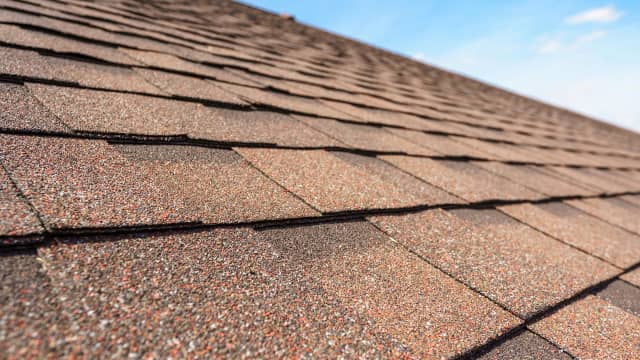
You may not need a new roof first if your roof is relatively new, in strong condition and expected to last for many more years.
Your roof may be ready for solar if:
- The roof is under 10 years old
- There are no major leaks or repair issues
- Shingles are in good condition
- The roof has enough remaining lifespan
- A roof evaluation does not identify major concerns
The best answer depends on the condition of your roof, not a general rule.
How roof condition affects solar savings
Roof condition can affect the long-term value of solar.
If a roof replacement is needed soon after solar installation, removal and reinstallation costs can reduce the financial benefit of the project.
That is why a roof review is an important part of solar planning. It helps homeowners avoid comparing solar savings without considering the condition of the surface supporting the system.
If you are comparing the financial side of solar, our article on how much Trinity Solar costs explains the main factors that affect pricing and long-term value.
Questions to ask before installing solar on an older roof
If your roof is not clearly new or clearly failing, these questions can help guide the decision.
1. How old is the roof?
2. Has the roof had leaks or repeated repairs?
3. How many years of useful life remain?
4. Would solar need to be removed if roof work is needed later?
5. Can the roof and solar be financed or planned together?
6. Does replacing the roof now improve the long-term value of the solar project?
Final thoughts
Replacing your roof before installing solar is not always necessary.
But if your roof is older, damaged or close to the end of its lifespan, handling both projects together may help you avoid future costs, simplify the process and create a stronger long-term home energy plan.
The best first step is understanding whether your current roof is ready for solar.
The real question is not just “Can solar go on my roof?”
The better question is whether your roof is ready to support solar for the next several decades.
Continue learning
If you are considering both roofing and solar, these guides are a good next step: