Quick answer
Choose a solar installer by comparing more than price. Verify experience, licensing, system design, equipment, warranties, financing terms, project responsibility and long-term service. The strongest proposal should clearly explain what you are buying, who is responsible for each stage and what happens if something goes wrong.
Your solar installer influences far more than the day panels are placed on your roof. The company may help assess your home, design the system, coordinate permits, complete the installation, support inspections and handle service questions for years afterward.
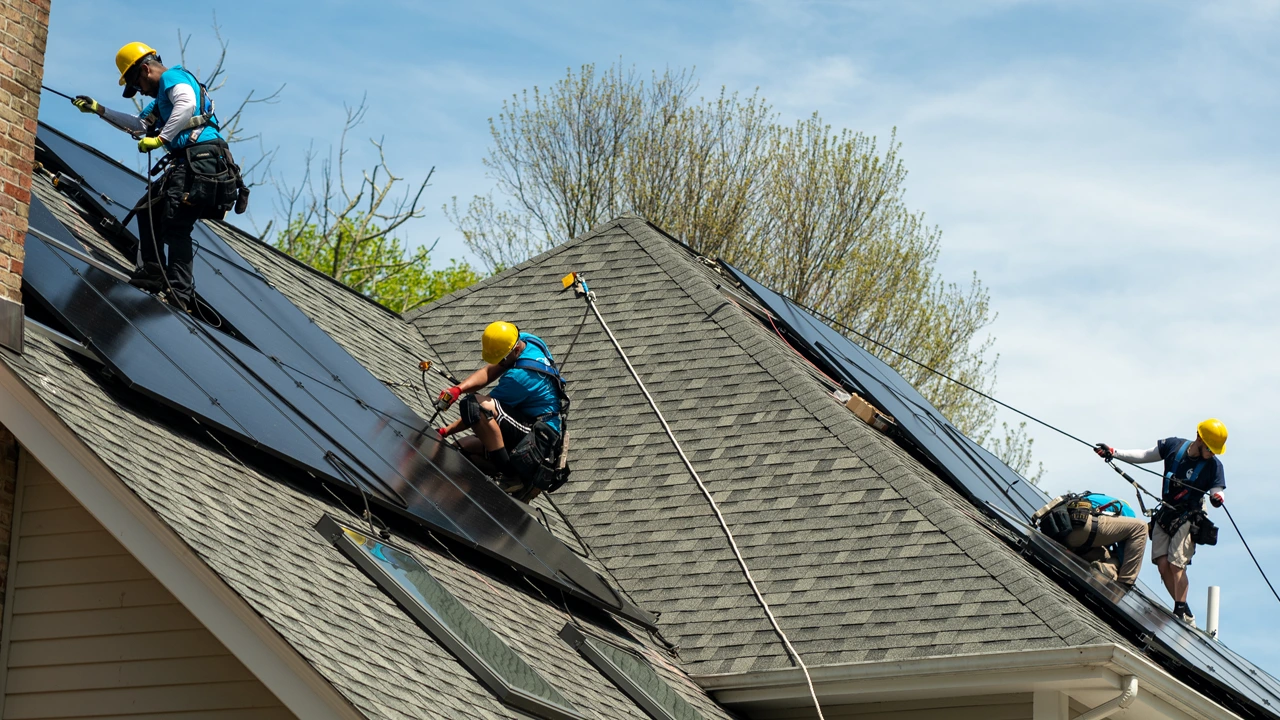
That makes choosing an installer one of the most important decisions in the solar process. A persuasive sales presentation is not enough. Homeowners need clear, comparable information that can be verified before signing.
Verify
Experience, licenses, insurance and who will perform the work.
Compare
System size, equipment, production assumptions and total cost.
Clarify
Financing, warranties, exclusions and homeowner responsibilities.
Document
Get important promises, responsibilities and contract terms in writing.
10 questions to ask a solar installer
Ask each company the same core questions. Consistent questions make proposals easier to compare and reduce the chance that an important difference gets buried beneath a monthly-payment estimate.
QUESTION 1
How much residential solar experience do you have?
Ask how long the company has operated, how many systems it has completed and whether it regularly works with homes like yours.
QUESTION 2
Are you properly licensed and insured?
Confirm the licenses and insurance required in your area. Ask which company and contractors will be responsible for the work.
QUESTION 3
Who designs the system?
The design should account for energy use, roof condition, orientation, pitch, shade, available space and local requirements.
QUESTION 4
Who performs the installation?
Ask whether the company uses employees, subcontractors or both—and who supervises workmanship and quality control.
QUESTION 5
Which equipment are you proposing?
Get the panel, inverter and major equipment models in writing, along with the reason each product fits the proposed design.
QUESTION 6
How was production estimated?
Ask which assumptions were used for shade, orientation, weather, equipment losses and future production changes.
QUESTION 7
What warranties apply?
Separate product, performance, inverter and workmanship coverage. Ask who processes claims and which costs may remain yours.
QUESTION 8
What is included in the price?
Clarify permits, interconnection, electrical work, structural work, monitoring, inspections and any foreseeable extra charges.
QUESTION 9
What financing choices are available?
Compare ownership, payment obligations, interest or dealer costs, escalation terms and what happens if the home is sold.
QUESTION 10
Who supports the system afterward?
Ask whom to contact, how monitoring alerts are handled and what the process is for roof, equipment or workmanship concerns.
1. Verify experience, licensing and insurance
Experience matters because residential solar combines roofing, electrical work, structural considerations, permitting and utility coordination. A company should be able to explain its role in each stage and identify any outside contractors involved.
Licensing requirements vary by location and type of work. Ask for the relevant license information and verify it through the appropriate state or local authority. Also request evidence of insurance appropriate to the work being performed.
Ask for specifics
“We have experienced installers” is not the same as identifying who holds the license, who performs the work and who accepts responsibility for the completed system.
2. Examine the system design—not just the panel count
A good proposal should explain how the installer moved from your electricity use and roof conditions to the recommended system. More panels do not automatically mean a better design, especially if panels are placed in heavily shaded or unsuitable areas.
| Design factor | What the installer should explain | Why it matters |
|---|---|---|
| Energy use | Which bills and consumption periods were reviewed | The design should reflect the home’s actual needs and known changes. |
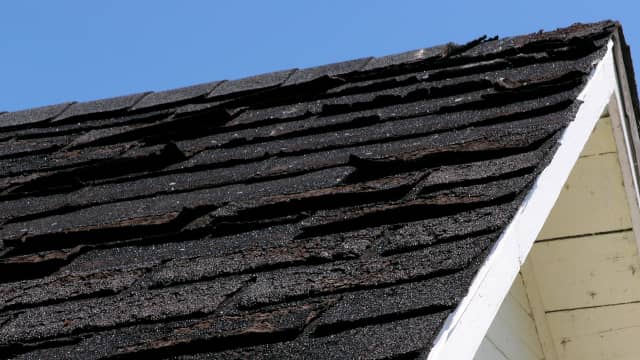
| Roof condition | Whether repairs or replacement may be needed first | Removing panels for later roof work can add cost and complexity. |
| Shade and orientation | How roof direction, pitch and obstructions affect placement | Panel location influences expected production. |
| Electrical capacity | Whether electrical upgrades are expected | Required upgrades can affect scope, timing and price. |
| Future demand | Whether known additions such as an EV or heat pump were considered | Major changes may alter future electricity use. |
Before comparing proposals, understand the property itself. Read Can my house have solar panels? for the major suitability factors.
3. Compare equipment and production assumptions
Ask for the exact equipment proposed—not simply a general statement about “high-quality panels.” The proposal should identify panel and inverter models so you can compare specifications, warranties and system architecture.
Production estimates also require context. Two companies may predict different annual output from similar-looking systems because they used different assumptions. Ask each installer to explain:
System size
The proposed direct-current capacity and panel count.
Annual production
The estimated first-year electricity generation.
Shade assumptions
How trees, roof features and nearby buildings were modeled.
System losses
Which equipment, temperature and operating losses were included.
4. Understand all four warranty layers
Solar warranty language can sound comprehensive while assigning different responsibilities to manufacturers, installers and other companies. Separate each type of coverage before comparing installers.
Product warranty
Generally addresses qualifying defects in covered equipment.
Performance warranty
Describes the manufacturer’s stated output-retention terms.
Inverter warranty
Applies to the equipment that converts solar electricity for home use.
Workmanship warranty
Addresses qualifying installation-related problems under the installer’s terms.
Ask who processes each claim, whether labor and shipping are covered, what exclusions apply and whether coverage transfers to a future owner. Review Solar panel warranties: what is actually covered? before signing.
5. Compare the full price and financing terms
A low monthly payment does not reveal the complete financial structure. Ask for enough information to understand the total obligation, included work and major conditions.
Do not compare payment alone
Two offers with similar monthly payments may differ in system ownership, term length, interest, dealer costs, escalators, incentives, transfer requirements and total amount paid.
| Compare | Question to answer |
|---|---|
| Total system price | What is the complete price before and after clearly identified incentives? |
| Included work | Are permits, interconnection and expected upgrades included? |
| Financing obligation | What are the term, payment schedule and total projected payments? |
| Ownership | Who owns the system, equipment and applicable incentives? |
| Home sale | What payoff, transfer or buyer-qualification requirements apply? |
6. Clarify who manages every project stage
Solar installation includes work before and after the crew arrives. Ask who submits permits, manages utility documents, schedules inspections, communicates design changes and confirms permission to operate.
01
Site assessment
02
System design
03
Permits and utility
04
Installation
05
Inspection
06
Permission to operate
For a closer look at these stages, read Solar installation process: consultation to PTO.
7. Evaluate long-term service
The relationship does not necessarily end when the system is activated. Ask how the installer supports monitoring questions, warranty claims, equipment service, roof work and home-sale documentation.
A long warranty has less practical value when the homeowner cannot determine whom to call or which company is responsible. Get service channels, response expectations and responsibilities in writing.
Long-term service questions
- Who should I contact when monitoring reports a problem?
- Who diagnoses whether the issue involves equipment or workmanship?
- Who coordinates manufacturer warranty claims?
- What happens if the roof needs repairs later?
- What documentation will I receive after completion?
Solar installer warning signs
A single concern may warrant another question. Several concerns together may indicate that the homeowner should slow down and gather more information before signing.
High-pressure deadlines
You are pressured to sign before reviewing the proposal and contract.
Unsupported promises
Savings, incentives or production are presented without clear assumptions.
Vague responsibility
The company cannot clearly identify who designs, installs or services the system.
Incomplete documentation
Equipment, pricing, warranty coverage or financing terms are missing.
License uncertainty
Required licensing or insurance information cannot be verified.
Payment-only selling
The conversation centers on monthly cost while avoiding total obligation and system details.
A simple solar installer comparison scorecard
Use the same scorecard for every proposal. A company does not need identical answers to its competitors, but its answers should be specific, documented and understandable.
| Category | Installer A | Installer B | Installer C |
|---|---|---|---|
| Experience and qualifications | _____ | _____ | _____ |
| Design explanation | _____ | _____ | _____ |
| Equipment and production | _____ | _____ | _____ |
| Warranty responsibility | _____ | _____ | _____ |
| Complete price and financing | _____ | _____ | _____ |
| Long-term service | _____ | _____ | _____ |
Before you sign a solar contract
Final review checklist
- Confirm the legal company responsible for the project.
- Verify applicable licenses and insurance.
- Review the final system layout and equipment.
- Understand production assumptions rather than treating estimates as guarantees.
- Read the complete payment and financing terms.
- Identify all warranty providers, exclusions and claim responsibilities.
- Clarify possible change orders or added costs.
- Keep copies of the proposal, contract, warranties and final design.
The bottom line
The best solar installer is not necessarily the company with the most panels, the lowest monthly payment or the fastest sales presentation. It is the company that can clearly connect the proposed system to your home, document the complete offer and explain who remains responsible throughout the project.
Compare qualifications, design, equipment, production assumptions, warranties, financing and service together. That gives you a much stronger basis for choosing than price alone.
Start with your home
Get a property-specific solar assessment
Review your roof, shade, electricity use and solar options with a team that can explain the proposed system and process clearly.
Continue learning